A design should fit the roof—not fight it
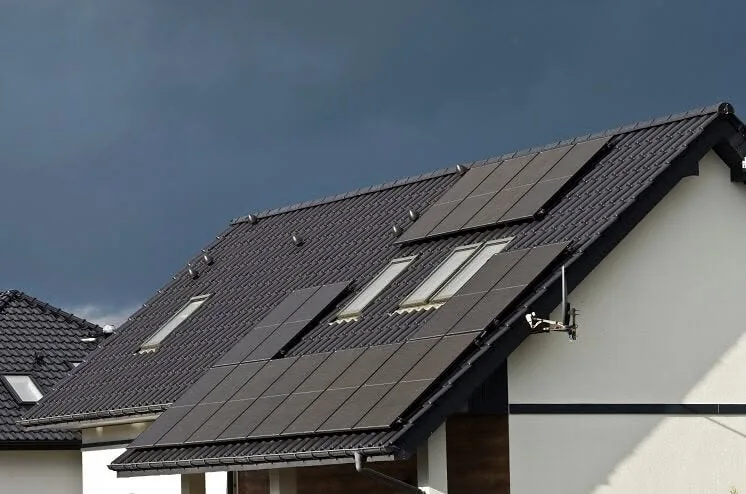
Usable roof area, shading, rooflights and safe access all shape the final layout.
The roof has to be suitable before it is productive
The survey should record roof covering, condition, pitch, orientation, shade, rooflights and the usable mounting area. Access and scaffold requirements also affect both safety and the final scope.
Where condition is uncertain, repairs or specialist checks are better completed before panels restrict access to the roof surface.
The electrical route is part of the design
The consumer unit, earthing, meter position, inverter location and proposed cable routes all need attention. Battery and EV-charger plans should be included because they can change equipment selection and monitoring arrangements.
The survey should identify what is known, what remains to be confirmed and which items are included in the quotation.
Ask to see the assumptions in writing
A clear proposal records system size, layout, estimated generation, main equipment, grid-connection route, access provision, exclusions and the basis of any savings estimate. That is what lets you compare like with like.
Common questions
- Can a final solar quote be completed remotely?
- Remote data can support an initial assessment, but roof condition, access, electrical details and equipment positions normally need appropriate checks before the final design is agreed.
- Should the installer inspect the loft?
- Where the loft is accessible, it can provide useful information about roof condition, structure and potential cable routes. The appropriate checks depend on the property and proposed system.